

“What is marketing in business?” After over a hundred consultations with small business owners I have sat through within the last 18 months here at Labile, this is typically one of the first questions I’m asked. So, let’s answer this using a pretty straightforward scenario.
Sarah opened a high-end coffee shop in a bustling town. You’d expect her next move to be marketing and advertising (social media posts, flyers, local press, Google listings), but she did the opposite. She sourced the finest single-origin beans, invested in a top-tier espresso machine, spent hundreds of pounds setting up her shopfront, and spent weeks perfecting her pastries. On opening day, she unlocked the door, stepped back, and waited.
Hours passed. Barely anyone walked in.
Why? Because nobody knew she existed. Nobody knew why her coffee was worth £4 a cup instead of the £1 instant coffee down the street. And nobody understood the care she put into every single brew.
This scenario highlights the fundamental reality of commerce. A great product or service is only half the battle; the other half is ensuring the right people know about it, care about it, and feel compelled to buy it.
That second half is marketing. Now, let’s look beyond the simple promotional tactics. The Chartered Institute of Marketing defines marketing as the management process responsible for identifying, anticipating and satisfying customer requirements profitably.
It is far more than just posting on social media, running discount ads, or handing out flyers. The true scope of marketing in business encompasses every single interaction and impression your organisation creates with the outside world, from product development and pricing strategy to brand messaging, customer service, and post-purchase follow-up.
And don’t mistake this for sales, because while sales focuses on closing a deal today, marketing focuses on building the relationship, trust, and demand that makes sales possible tomorrow.
Marketing in business acts as the essential bridge between your commercial solution and a customer’s everyday problem.
The 4 Ps: The Core Pillars of Marketing
To understand how marketing works in business, it helps to look at its traditional foundation: the Marketing Mix (the 4 Ps), Product, Price, Place, and Promotion.
These four pillars work as a cohesive system, shaping how a business connects its offerings with the marketplace.
- Product: What are you actually selling? How does it solve a specific pain point for your ideal buyer better than any alternative?
- Price: How much are you charging? Pricing isn’t just about covering costs; it immediately signals your quality, positioning, and market tier.
- Place: Where and how do customers find you? This includes your physical location, website, distribution channels, and booking platforms.
- Promotion: How do you get the word out? This covers advertising, social media, email campaigns, public relations, and word-of-mouth strategies.
Understanding how to apply these pillars is especially critical for smaller organisations, where strategic marketing can determine whether the business survives or fails.
The Importance of Marketing For Business Survival
Many small business owners view marketing as an extra expense, something to invest in only when there’s spare budget at the end of the month. In reality, as Forbes notes, if you are wondering how to scale, it is time to take a hard look at your marketing: personal relationships and founder-led selling can launch a business, but only a structured marketing system lets you grow beyond your own bandwidth.
Here is why understanding what marketing in business is critical to commercial survival:
- It Builds Market Awareness: If your ideal clients do not know you exist, you cannot compete. Strategic marketing in business puts your brand on their radar long before they even realise they need your services.
- It Establishes Authority and Trust: Modern buyers do not purchase on a whim; they research. Content, client reviews, and clear messaging build the credibility needed to earn their long-term business.
- It Drives Predictable Customer Acquisition: Relying purely on luck or passive word-of-mouth makes revenue volatile. A structured business marketing strategy ensures a steady, sustainable pipeline of new leads.
- It Educates Your Market: Effective marketing explains why your solution is superior, justifies your prices, and separates you from cheaper, lower-quality competitors.
The Core Marketing Functions and Modern Marketing Funnel
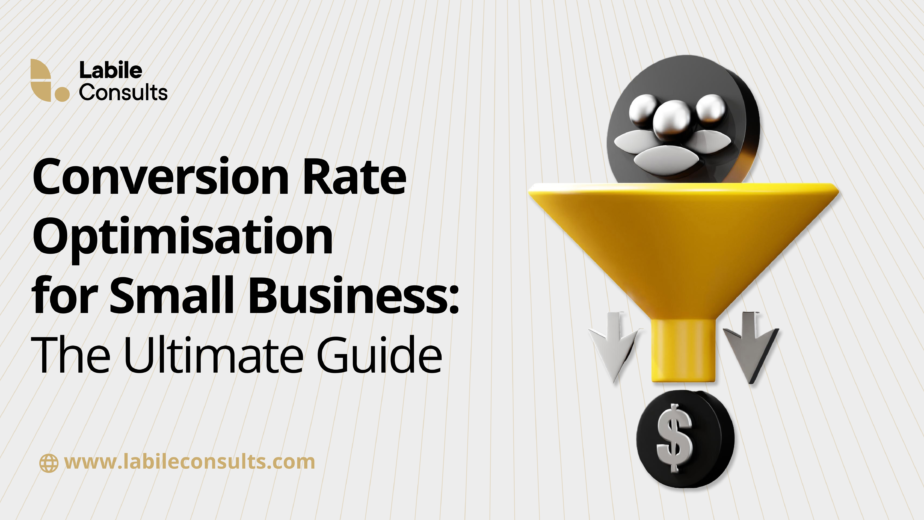
To master the core marketing functions, you must understand how marketing in business guides a potential customer through a natural journey, often illustrated as a marketing funnel
| Funnel Stage | Objective | Common Marketing Channels |
| Top: Awareness | Getting noticed by people who have a problem you solve. | Social media content, search engine optimisation (SEO), blog posts, word-of-mouth. |
| Middle: Consideration | Demonstrating why your business is the best fit. | Case studies, comparison guides, email newsletters, detailed service pages. |
| Bottom: Conversion | Encouraging the prospect to take decisive action. | Clear website CTAs, consultation calls, special offers, simple checkout flows. |
| Beyond: Retention | Turning one-off buyers into repeat brand advocates. | Follow-up email sequences, loyalty schemes, exceptional customer support. |
How to Build a Simple Business Marketing Strategy
You don’t need a massive corporate budget to run effective marketing. As someone new to marketing in business, you need complete clarity on three fundamental questions, the same groundwork we unpacked in our breakdown of marketing strategies built for small businesses:
- Who is your ideal customer? (Define their specific pain points, goals, and habits rather than trying to appeal to “everyone.”)
- What makes your business genuinely different? (Clarify your unique value proposition so buyers know why to choose you over alternatives.)
- Where does your audience spend their time? (Focus your energy on 1 or 2 core channels where your audience is active, rather than spreading yourself thin across every platform.)
Let’s Turn Your Marketing Into a Commercial Asset
Ultimately, marketing in business is not an isolated cost centre or a collection of random tactics. It is the strategic engine that drives long-term commercial growth, builds customer trust, and turns great products into thriving brands.
If your business is ready to build a strategic, revenue-generating marketing engine across every customer touchpoint, book a free consultation, and Labile Consults can be your partner for integrated, strategy-first marketing.